
It can be hard to start a garden, but learning how to perennials plant the right way makes it a lot more fun. Perennials are plants that come back year after year. This makes them great for beginners who want to get good results without having to replant them every year. With the right planting method, perennials get stronger as they get older and need less care.

This guide for beginners tells you how to plant perennials, when to plant them and which ones are the easiest to grow. This article talks about choosing plants, getting the soil ready, planting them, taking care of them during the different seasons and common mistakes to avoid. It uses the growing knowledge of Tennessee Wholesale Nursery. Even people who have never gardened before can make a garden that gets better every year with good wholesale perennial plants.
What Are Perennials and Why Are They Beginner Friendly?
Plants that live for more than one year and grow back from the same root system every season are called perennials. They don't need to be replanted every year like annuals do, which makes them a great choice for new gardeners. As time goes on, their roots grow deeper, which makes the plants more stable and better at what they do.
At Tennessee Wholesale Nursery, they grow perennials to make their roots stronger, which helps keep them healthy for a long time. Plants can get water and nutrients more easily when their roots are healthy. This lowers stress and the need for ongoing care.
Perennials are easy for beginners because they:
- Come back every growing season
- Make the soil better and help soil organisms
- Don't need as much work once they're established
When making plans for a beginner's perennial garden, starting with plants that are known to do well will boost confidence and lead to early success.
When is the Best Time to Plant Perennials for Success?
Planting at the right time makes it much more likely that perennials will live. The best times to transplant are early spring and fall, when the weather is cooler. This helps the roots grow before the weather gets really bad.
Tennessee Wholesale Nursery experts say that planting during these times will help the soil's microbial diversity stay active. Soil life that is healthy helps roots take in nutrients on their own and makes plants stronger.
The best times to plant are:
- In the spring, after the last frost danger has passed
- In the fall, a few weeks before the first hard freeze
- Not during hot summer months
Timing is important for root health and helps perennials grow quickly.
Easy Perennials That Grow Well for First Time Gardeners
Choosing the right plants is very important for beginners Easy care perennial flowers are naturally flexible which makes them great for first time gardeners.
Tennessee Wholesale Nursery has a number of perennials that are easy for beginners to grow:
-
Hairy Buttercup - A hardy perennial that spreads slowly and does well in a variety of soil types
-
Dandelion - This plant has a deep taproot that helps the soil and supports good soil organisms
-
Larkspur - A reliable bloomer that gives beginner gardens height and color
-
Creeping Buttercup - A perennial plant that grows on the ground and protects organic matter while keeping weeds from growing
-
Narcissus - A classic perennial bulb that comes back every spring with little care
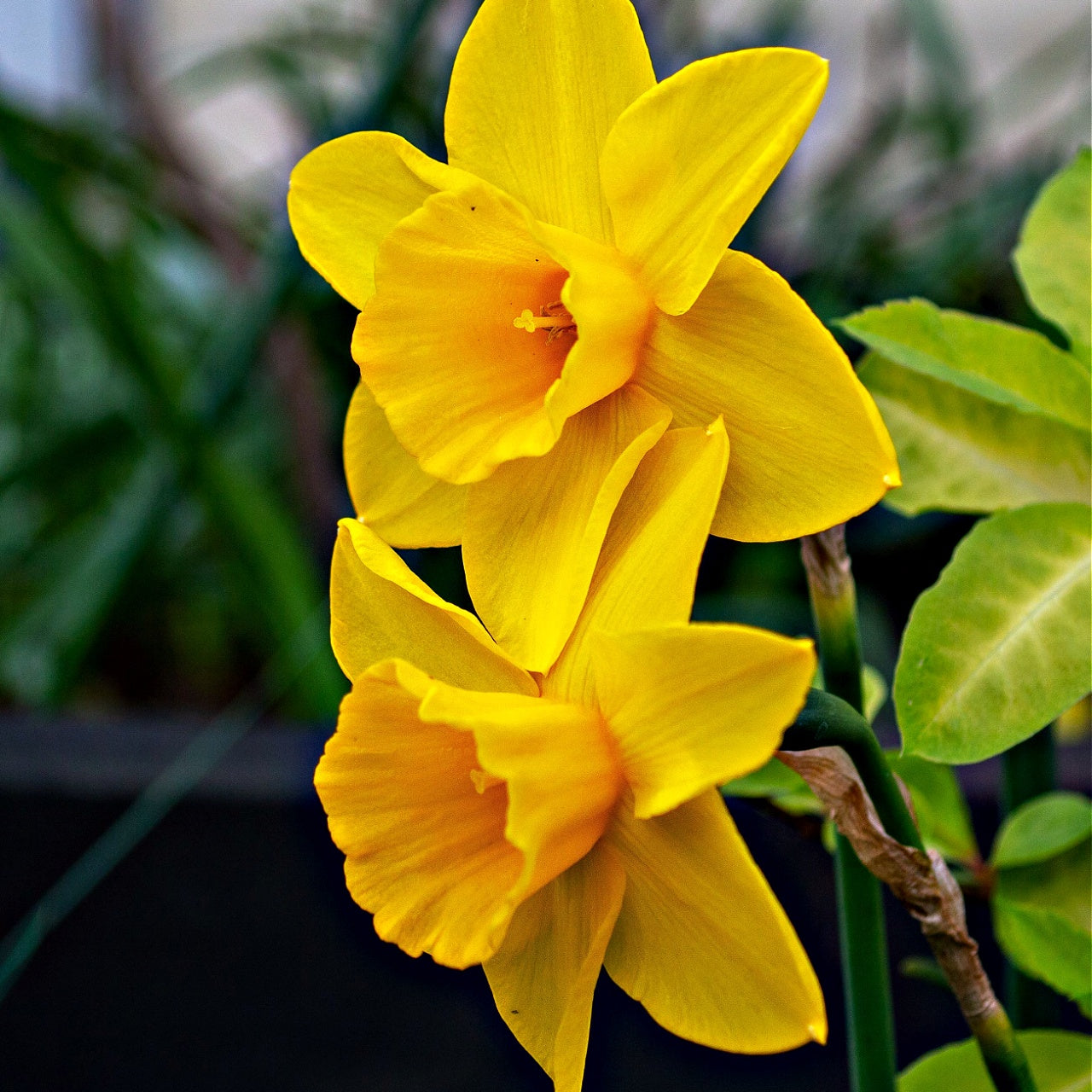
These tried and true types are often the first choice for gardeners who want to buy wholesale perennial plants.
Step by Step Planting Tips for Healthy Perennials
To be successful in the long run, you need to know how to plant perennials the right way. When you plant something correctly, the roots can grow deep, which means you won't have to take care of it as much later.
For beginners, here are some easy steps to follow:
- Dig a hole that is twice as wide as the root ball
- Loosen the soil around the hole to help the roots spread
- Put the plant in the hole so that the crown is level with the soil
To improve drainage and organic matter, mix native soil with compost and fill it back in. After planting, water the area well to settle the soil and get rid of air pockets.
Mulching helps keep the soil temperature stable, keep moisture in and support a variety of microbes, which makes plants easier to care for over time.
Designing Perennial Garden Plans for Beginners
Good planning keeps things from getting too crowded and cuts down on maintenance. When making perennial garden plans for beginners, put plants that need the same amount of water and sunlight together to make it easier to care for them.
Some useful design tips are:
- Space plants according to how big they will get
- Use perennials to cut down on lawn areas
- Mix taller and shorter plants for balance
Placing things carefully helps with airflow, root health and disease control. The University of Minnesota Extension has reliable, science based resources for home gardeners who want to learn more about perennial gardening.
Conclusion
Beginners can make gardens that come back and get better every year by learning how to perennials plant the right way. Perennials get stronger and easier to care for over time if you plant them at the right time, prepare the soil and choose the right plants.
Tennessee Wholesale Nursery has plants that are easy for beginners to grow, like Hairy Buttercup, Dandelion, Larkspur, Creeping Buttercup and Narcissus. Gardening can be easy and rewarding for a long time if you start small and plant carefully.
FAQs
What are the easiest perennials for beginners?
Buttercups, daffodils and larkspur are all great choices because they are tough and can grow in many different places.
Where is the best place to plant perennials?
The best place to plant perennials is where they can get sufficient sunlight and room to grow.
Can I use Miracle Gro on my perennials?
It's okay to use it lightly but adding compost and organic matter to the soil is usually better for the long term.
How many years do perennial plants live?
With the right care many perennials can live for years or even decades.
Can perennials be planted in containers?
Perennials
Yes a lot of perennials do well in pots as long as they have good drainage.
Why do perennials come back every year?
Perennials come back every year because their root systems store energy that helps new growth each year.