
-
Virginia Bluebells -
Purple Coneflower -
Great White Trillium -
Water Lilies -
Black Eyed Susan Plant -
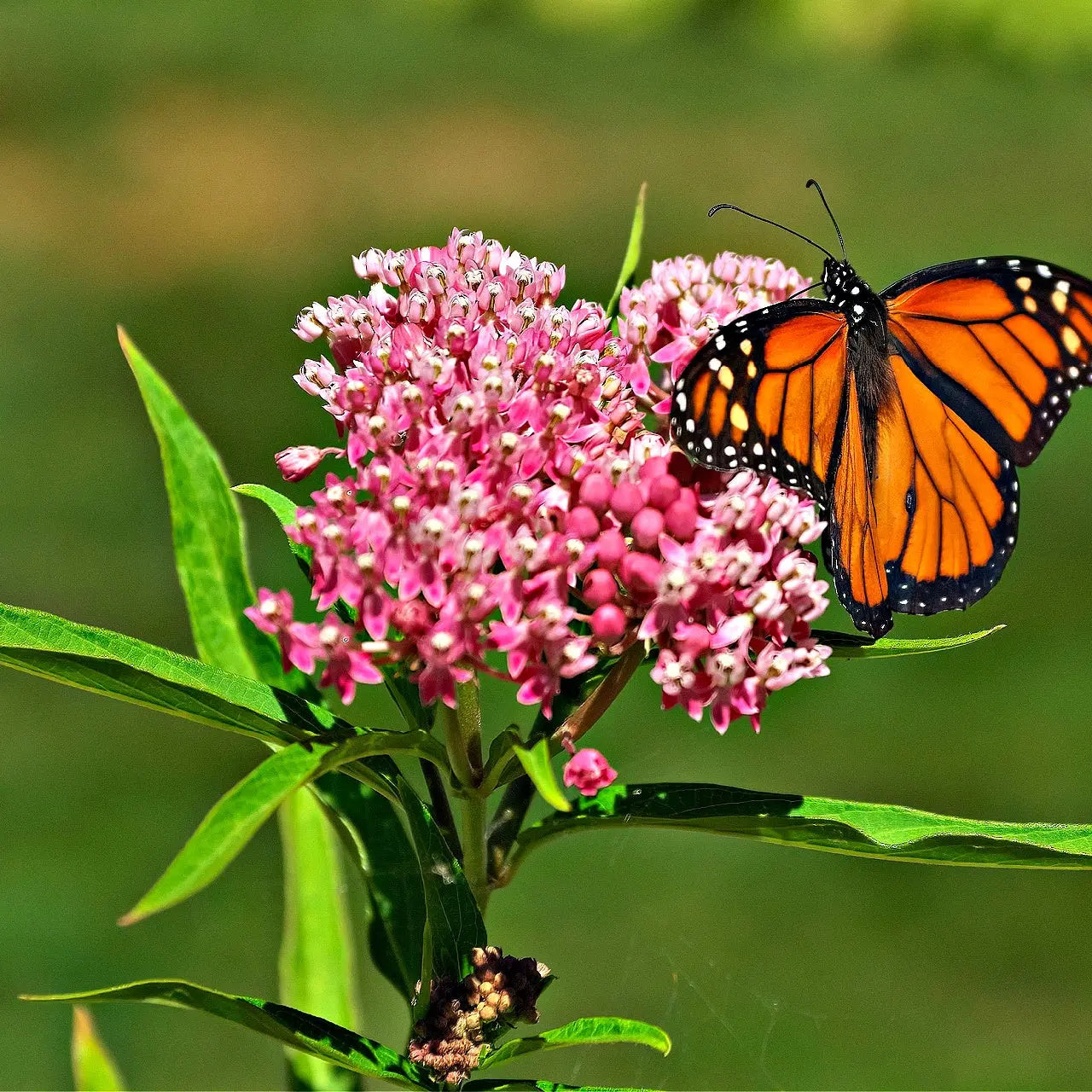
Milkweed Plant -
Blue Flag Iris -
Wild Ginger Plant -
Fire Pink -
Red Cardinal Flower -
Solomon's Seal -
Nikko Blue Hydrangea Shrub -
Shasta Daisy Plant -
Trumpet Creeper Plant -
Vinca Minor Plant -
Partridgeberry Plant -
Black Cohosh Plant -
Virginia Creeper Plant -
Blazing Star Plant -
Lily of the Valley Plant -
Orange Daylily -
Trumpet Vine Plant -
Jack in the Pulpit Plant -
Yellow Trillium Plant




Wholesale Native Perennials for Pollinator, Woodland and Wetland Projects
This collection offers native woodland wildflowers, pollinator perennials and wetland-edge species in wholesale quantities for garden centers, landscape designers, restoration contractors and parks departments. Each plant ships as a dormant bare root crown or rhizome, lifted to order at our Altamont, Tennessee farm, so buyers can pot, plug or field-plant it right away.
Use this free calculator to work out how many perennials you need to fill a bed, border, meadow or commercial landscape. Enter the size of the area and how far apart you'll plant, and it gives you the number of plants and the bulk packs to order.
Planting area: 0 sq ft
0 perennials
about 0 plants per 100 sq ft
| Bulk pack | Quantity |
|---|
Perennials are sold in bulk packs of 25, 50, 100 and 500, and bigger packs cost less per plant.
Shop wholesale perennials
How the perennial calculator works
The calculator finds the planting area in square feet, then divides it by the space each plant takes up at your spacing.
- Square grid: each plant covers spacing × spacing. At 18 inches, that's 2.25 sq ft per plant, or about 45 plants per 100 sq ft.
- Staggered (triangular) pattern: rows are offset, so plants fit about 15% closer together at the same spacing. At 18 inches, that's about 52 plants per 100 sq ft. Staggered rows fill in faster and look more natural, with fewer gaps.
The result is rounded up to whole plants and split into the most economical mix of 25, 50, 100 and 500-plant packs.
Quick reference: perennials per 100 sq ft
| Spacing | Square grid | Staggered |
|---|---|---|
| 12 inches | 100 | 116 |
| 18 inches | 45 | 52 |
| 24 inches | 25 | 29 |
| 36 inches | 12 | 13 |
For larger sites, one acre is 43,560 sq ft, so multiply by 435.6 to get plants per acre.
Choosing the right spacing
- Use the mature width. A good rule is to space plants about as far apart as they'll be wide at maturity.
- Plant closer for faster coverage. Tighter spacing fills in sooner and crowds out weeds, but it takes more plants.
- Plant wider to stretch a budget. Wider spacing costs less up front, but beds take longer to fill in.
- Mix sizes? Measure each section of the bed separately and run the calculator once per spacing.
Link to this calculator
Landscape designers, garden clubs, schools and extension offices are welcome to link to this calculator from planting guides and resource pages. Copy this link:
<a href="https://tennesseewholesalenursery.com/pages/perennial-calculator">Perennial Plant Calculator – Tennessee Wholesale Nursery</a>
Who Buys Wholesale Perennials
- Garden centers and re-wholesalers potting dormant crowns of coneflower, black-eyed Susan and phlox into quarts and gallons for spring sales.
- Landscape designers and contractors filling shade borders, meadow drifts and commercial pollinator beds.
- Ecological restoration firms adding herbaceous layers to riparian buffers, wet meadows and forest understory plantings.
- Municipalities, parks and schools installing monarch waystations, rain gardens and native demonstration gardens.
- Stormwater and erosion contractors using blue flag iris, water willow and cardinal flower along basin edges and swales.
Native Perennials We Lift for Wholesale Buyers
| Plant | Botanical name | Typical trade uses |
|---|---|---|
| Purple Coneflower | Echinacea purpurea | Pollinator beds, meadow mixes, retail pots |
| Black-Eyed Susan | Rudbeckia hirta | Roadside and park color, meadow plantings |
| Butterfly Weed | Asclepias tuberosa | Monarch habitat, dry sunny sites |
| Common Milkweed | Asclepias syriaca | Monarch waystations, open meadows |
| Cardinal Flower | Lobelia cardinalis | Rain gardens, streambanks, hummingbird plantings |
| Great Blue Lobelia | Lobelia siphilitica | Moist borders, wet meadow edges |
| Blue Flag Iris | Iris versicolor | Pond margins, stormwater basins, wetland mitigation |
| Water Willow | Justicia americana | Shoreline stabilization, shallow-water planting shelves |
| Blue Vervain | Verbena hastata | Wet meadows, pollinator corridors |
| Virginia Bluebells | Mertensia virginica | Floodplain woods, spring ephemeral displays |
| Great White Trillium | Trillium grandiflorum | Woodland gardens, native shade collections |
| Solomon's Seal | Polygonatum biflorum | Shade borders, understory restoration |
| Black Cohosh | Actaea racemosa | Tall woodland accents, forest edge plantings |
| Foamflower | Tiarella cordifolia | Shade groundcover, woodland borders |
| Wild Ginger | Asarum canadense | Deep-shade groundcover, slope cover under trees |
Planning Perennial Plantings by Light, Moisture and Bloom Season
Sort the list into three planting palettes. Sunny, well-drained sites take coneflower, black-eyed Susan, butterfly weed and tall phlox, the backbone of most pollinator specifications. Saturated ground along basins and streams calls for blue flag iris, water willow, cardinal flower, blue vervain and marsh hibiscus. Shaded woods suit spring ephemerals such as bluebells, trillium, bloodroot and mayapple, followed by summer foliage from Solomon's seal, black cohosh and wild ginger.
Designers usually set bare root perennials 12 to 18 inches on center in beds, which works out to roughly one plant per square foot for small crowns and one per two square feet for larger clumps. Layering bloom times from April ephemerals through late-summer lobelia keeps nectar available for the whole season, a common target in pollinator habitat plans. Our woodland shade perennials guide and milkweed growing article cover two of the most requested palettes. Round out shade jobs with our native ferns, and wet sites with restoration and mitigation plants.
How We Grow, Dig and Ship
Perennial crowns, tubers and rhizomes come from our Tennessee beds and, for deep orders, from neighboring growers we have worked with for years. After the foliage dies back in fall, crews fork the roots out by hand to keep buds and eyes undamaged. Each batch is dipped in Terra-Sorb moisture gel and bagged in plastic, a pack that stays protected up to 12 days on the way to you. Restoration-size orders travel on freight trucks; garden-center quantities usually go USPS Priority with tracking. See our bare root basics and packing method.
Ordering Wholesale Perennials
Pollinator and meadow contracts tend to need several thousand plugs' worth of crowns across a dozen species. For any species at 500 or more, email the list with the ship-to address and target planting week; you will have a detailed quote within one day showing freight, packing and whether we deliver or you pick up. Quantities of 100 or fewer use the standard prices posted online. Request perennial pricing, or register a prepaid trade account to be notified when a scarce wildflower runs low. Licensed buyers are backed by our Arrive Alive guarantee.
Frequently Asked Questions
What does a bare root perennial look like on arrival?
It arrives as a dormant crown, tuber or rhizome with roots attached and no foliage; top growth appears once it is planted and soil warms.
Which perennials are best for a monarch waystation?
Common milkweed and butterfly weed supply host plants, while coneflower, blue vervain and black-eyed Susan add nectar.
Can garden centers pot these for spring sales?
Yes. Crowns potted in late winter root into quarts or gallons and are usually salable by spring.
What spacing should I use for a perennial bed?
Most designs place bare root perennials 12 to 18 inches apart, closer for groundcovers like wild ginger and wider for large clumps.
Tennessee Wholesale Nursery began in Altamont in 1959, and our third- and fourth-generation family growers still dig native wildflowers each season. The company is led by CEO Tammy Sons, with the owners handling perennial orders above 500 plants themselves. Plants from our nursery have been used at Arlington National Cemetery and the Washington Monument. Email sales@tennesseewholesalenursery.com or phone 931-692-7325 to plan your order.